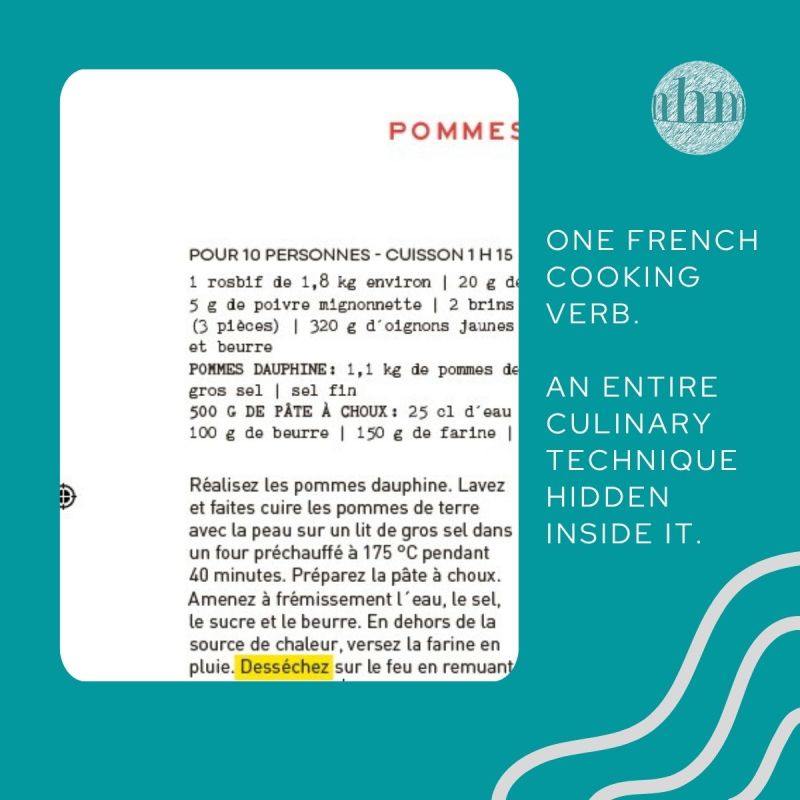
Translators have a long history of making decisions, and the British and the French have a long history of poking fun at each other. So what if a French author’s voice is partly expressed through gently poking fun at British culture, British food or British habits, should that voice still come through in the English translation?
At what point are we adapting a text for readers, and at what point are we diluting the author’s cultural identity?
This is the challenge I’m currently facing with the introduction to a book I’m translating.
The author gently mocks British cooking, suggesting that French croissants, lashings of butter and savoir vivre are superior to simple English fare.
As the translator, what do you do?
This question touches on the concepts of domestication and foreignisation in translation.
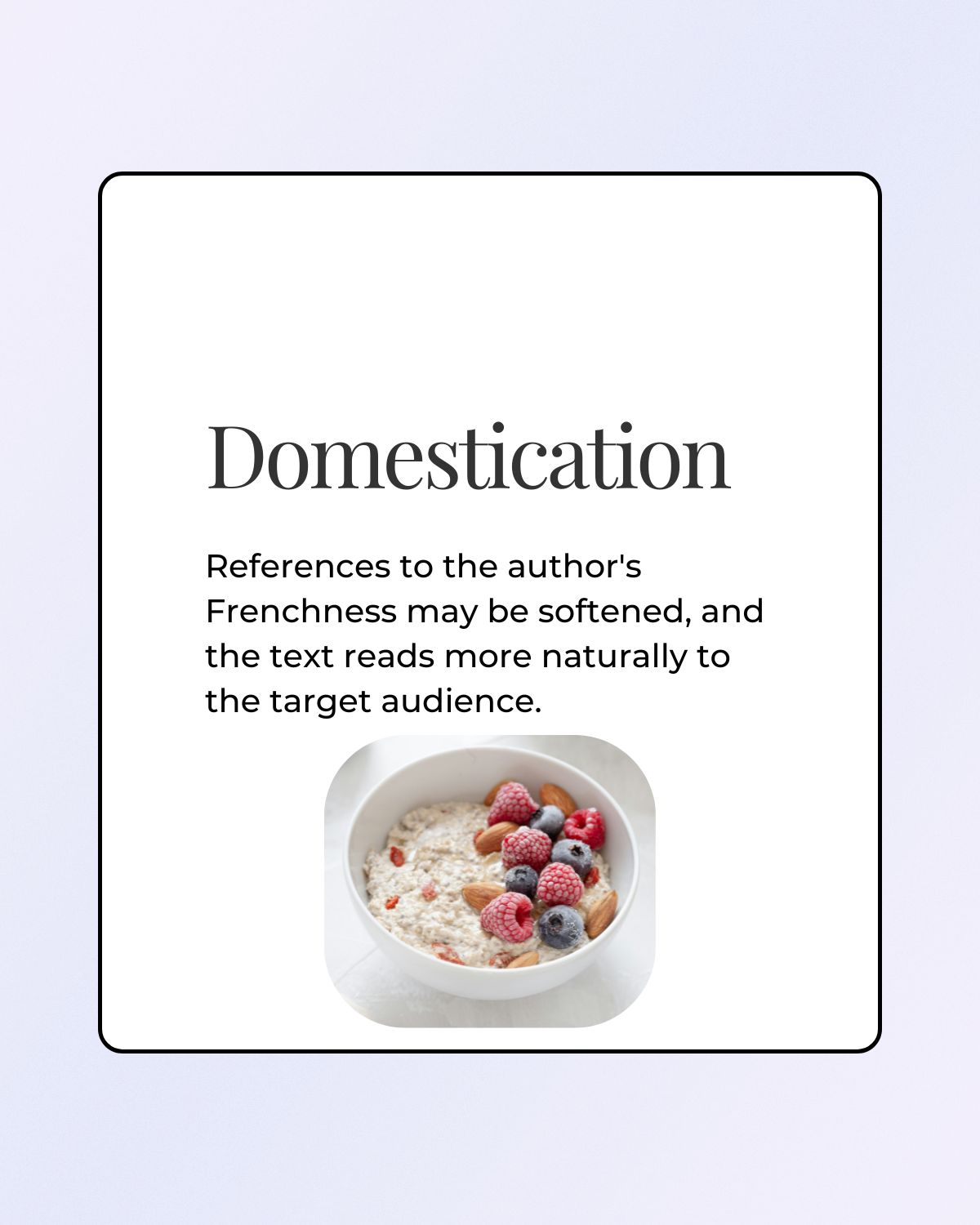
When we domesticate a text, we make it feel as though it were originally written for the target culture. References to the author’s Frenchness may be softened, and the text reads more naturally to the target audience.
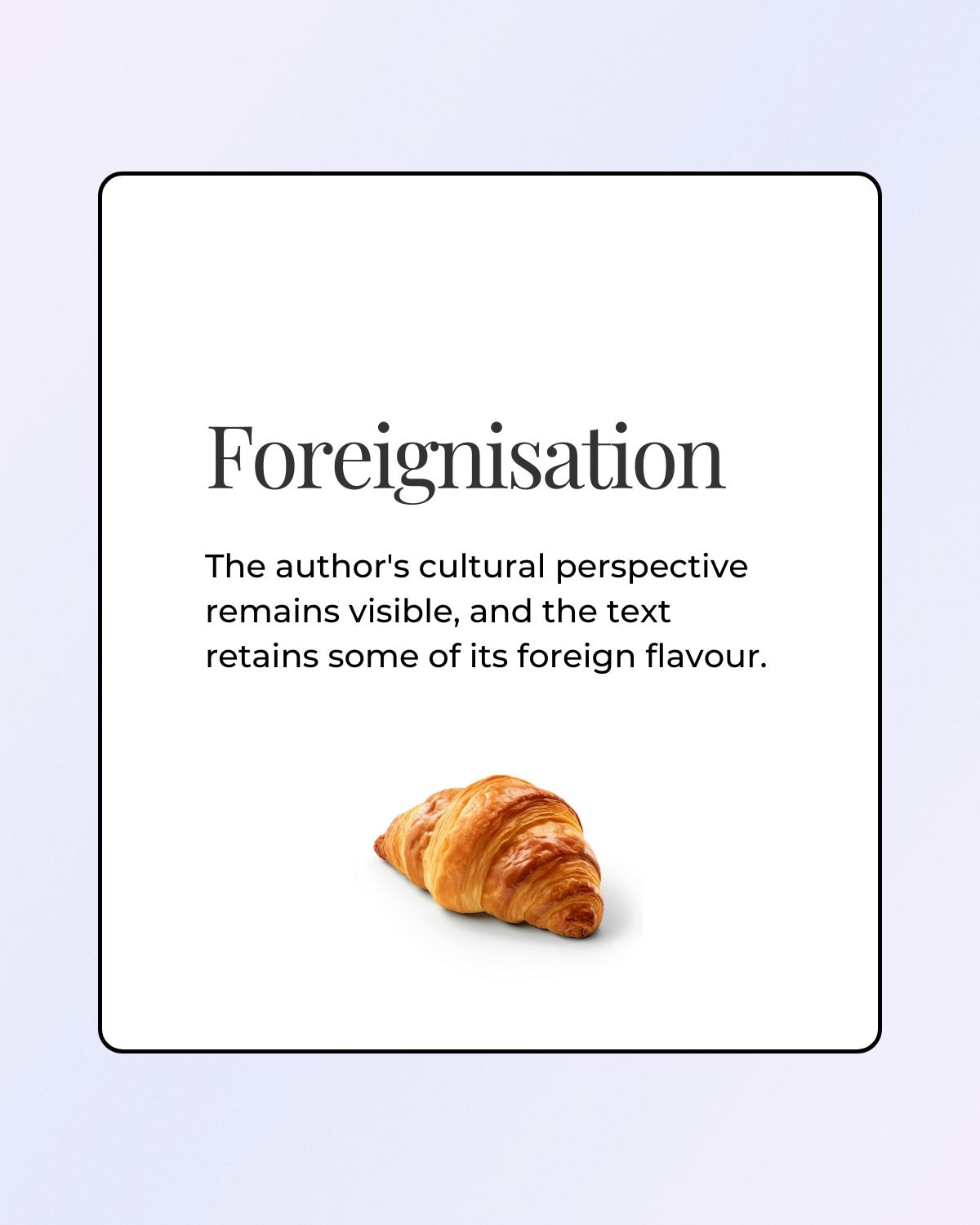
Foreignisation takes the opposite approach. It preserves a sense of the source culture and reminds readers that they are reading a translation. The author’s cultural perspective remains visible, and the text retains some of its foreign flavour.
In practice, the decision is rarely mine alone.
When working with publishers, the editor will often have a view on the approach they want to take. Is the French identity part of the book’s appeal? Or would they prefer a more neutral voice that feels familiar to the target audience?
Often, I know that a translation is intended for readers in the UK, Australia and New Zealand. That affects vocabulary choices, spellings and in culinary translation, even ingredients. But domestication and foreignisation of the narrative text are a different kettle of fish altogether. If the brief isn’t clear, I find myself leaving plenty of notes and queries for the editor.
Sometimes translation is about deciding how much of one culture should travel into another.
Would you prefer a translation that smooths cultural edges until the author’s perspective becomes less visible? Or would you rather feel the author’s cultural perspective come through loud and clear?




 English